Search Engine Optimization—better known as SEO—did not begin as a formal discipline. It emerged organically, shaped by curiosity, competition, and humanity’s growing need to be found in an ever-expanding digital universe. To understand SEO is to understand how the internet itself grew—from static pages and keyword stuffing to intelligent systems built on intent, trust, and experience.
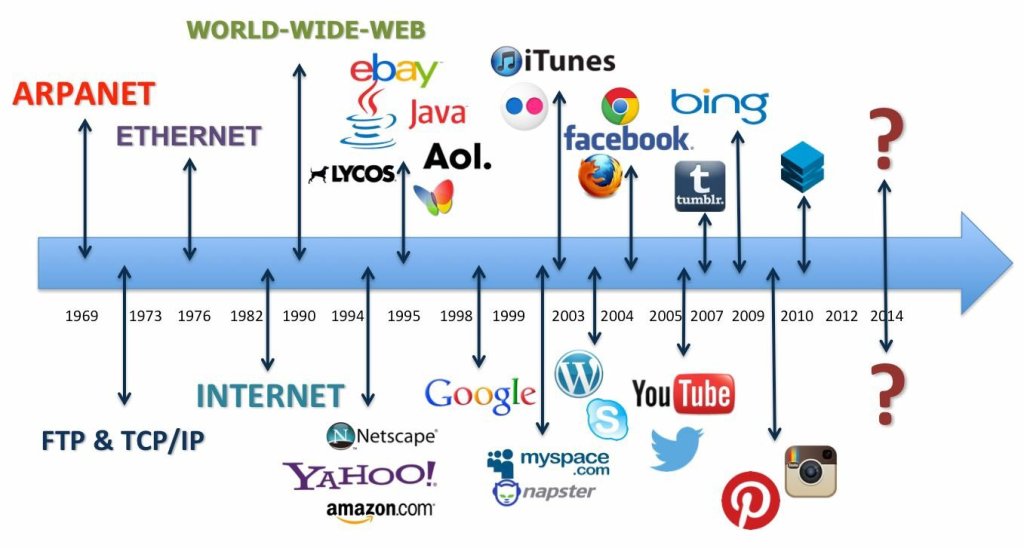
The Pre-SEO Era: When the Internet Was Just a Directory (Early 1990s)
In the early days of the web, search engines didn’t “rank” content the way they do today. Early platforms like Yahoo functioned more like curated directories. Websites were manually submitted, reviewed by humans, and placed into categories. Visibility was less about strategy and more about existence. If your site was listed, you were lucky. If it wasn’t, you were invisible.
At this stage, SEO didn’t exist because it didn’t need to. There were fewer websites, minimal competition, and no sophisticated algorithms. Content creators were simply happy to be online.
The Birth of SEO: Keywords Rule Everything (Mid-to-Late 1990s)
As the number of websites exploded, search engines like AltaVista introduced automated indexing. Suddenly, machines—not humans—decided which pages appeared first. These early algorithms relied heavily on keywords found in page titles, meta tags, and body content.
This era gave birth to SEO in its most primitive form. Webmasters discovered that repeating keywords—sometimes hundreds of times—could propel a page to the top. White text on white backgrounds, invisible keyword blocks, and irrelevant keyword stuffing became common tactics.
SEO worked, but it wasn’t pretty. Search results were often low-quality, misleading, and frustrating for users.
Google Changes Everything (Late 1990s–Early 2000s)
The launch of Google in 1998 fundamentally changed SEO—and the internet itself. Google introduced PageRank, an algorithm that evaluated websites based on backlinks, treating links as “votes of confidence.” For the first time, authority mattered more than repetition.
This was a turning point. SEO shifted from pure manipulation to strategic credibility-building. Quality content, reputable links, and relevance became more important than sheer volume of keywords.
Google’s mission—to organize the world’s information and make it universally accessible—forced SEO practitioners to think long-term. Those who adapted thrived. Those who clung to shortcuts began to disappear from search results.
The Rise of Content and On-Page Optimization (2000s)
As Google refined its algorithm, SEO matured. Best practices emerged: clean site architecture, meaningful title tags, descriptive meta descriptions, internal linking, and user-friendly URLs.
This period also marked the rise of content marketing. Blogs, articles, and evergreen resources became powerful tools for ranking. SEO was no longer just technical—it became editorial. Writers, strategists, and marketers entered the field, bringing storytelling into optimization.
Importantly, SEO began to align with user value. Pages that genuinely answered questions tended to perform better. The seeds of “search intent” were being planted.
Algorithm Updates and the Death of Manipulation (2011–2014)
The early 2010s were a reckoning. Google released major algorithm updates—Panda, Penguin, and Hummingbird—that penalized thin content, spammy backlinks, and keyword abuse.
These updates sent shockwaves through the industry. Entire businesses collapsed overnight. SEO agencies that relied on shortcuts were exposed. Ethical SEO became not just preferable, but necessary.
Hummingbird, in particular, marked a philosophical shift. Google began focusing on meaning rather than exact-match keywords. Search engines were learning how humans think.
SEO was no longer about gaming the system. It was about understanding people.
Mobile, Speed, and User Experience Take Center Stage (2015–2019)
As smartphones became dominant, Google adapted. Mobile-friendliness became a ranking factor. Page speed mattered. Secure websites (HTTPS) gained preference.
SEO expanded beyond content and links into experience. How fast a page loaded, how easily it could be navigated, and how well it performed on different devices all influenced rankings.
This era introduced the idea that SEO was not a silo—it touched design, development, branding, and usability. Optimization became holistic.
The Age of Intent, Trust, and E-E-A-T (2020–Present)
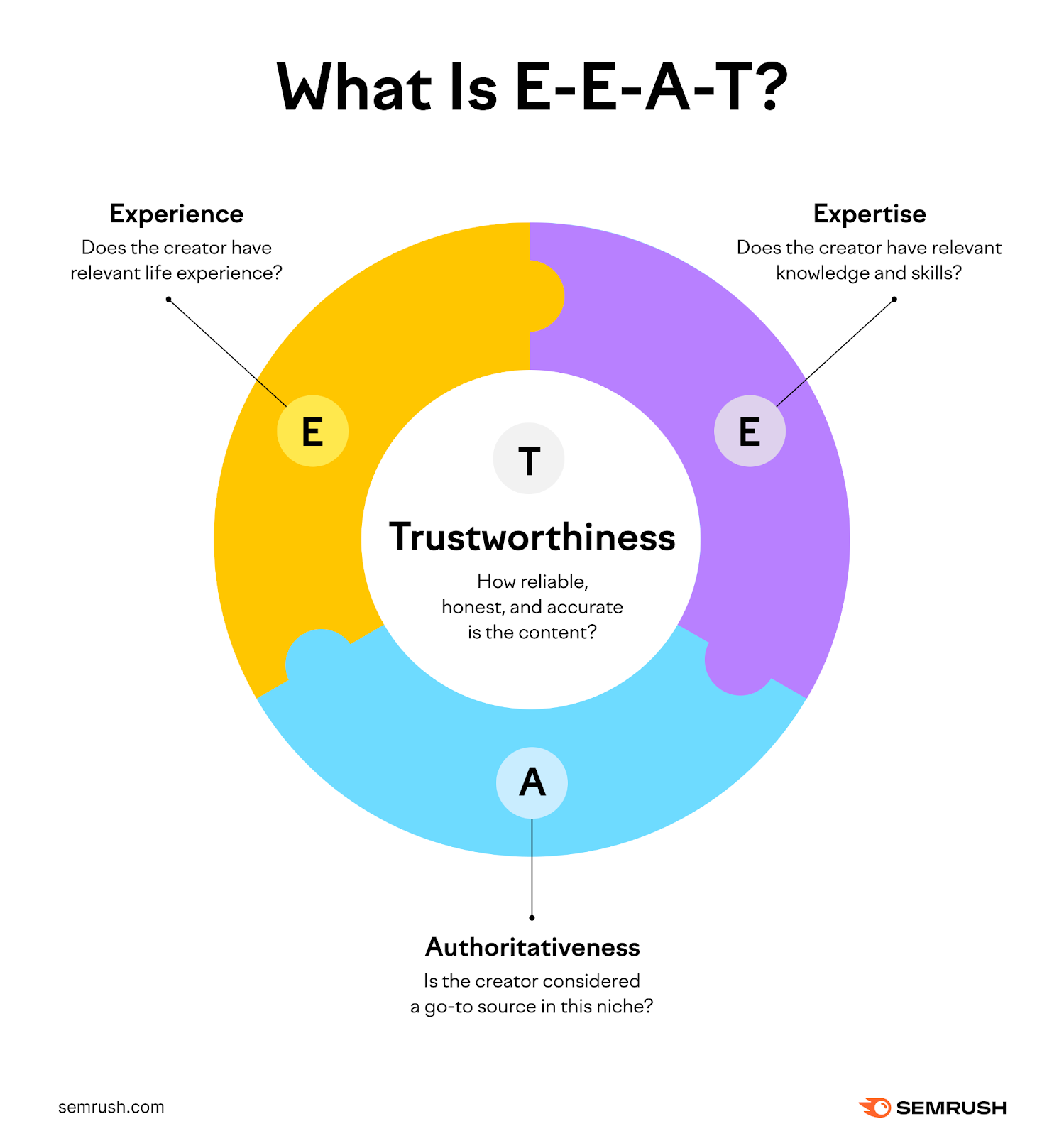
Modern SEO is built on understanding intent. Google now asks deeper questions: Does this content demonstrate experience? Is it written by someone knowledgeable? Can the source be trusted?
This philosophy is embodied in Google’s E-E-A-T framework: Experience, Expertise, Authoritativeness, and Trustworthiness. Especially for topics related to health, finance, and education, credibility is critical.
Artificial intelligence and machine learning further refined search results. Algorithms like RankBrain and BERT analyze language context, nuance, and user behavior. SEO today is less about optimization tricks and more about alignment—between content, intent, and value.
SEO Is No Longer About Search Engines Alone
What began as a technical practice has evolved into a human-centered discipline. SEO today intersects with psychology, storytelling, brand trust, and ethics. It rewards clarity, consistency, and contribution.
The most successful SEO strategies don’t ask, “How do we rank?” They ask, “How do we help?”
Why the History of SEO Matters
Understanding SEO’s history is essential because it reveals a pattern: every shortcut eventually fails. Every manipulative tactic is corrected. And every evolution brings SEO closer to its original purpose—connecting people with the information they actually need.
SEO has survived because it adapts. And it will continue to evolve as long as humans continue to search.
In the end, SEO is not about algorithms. It is about people asking questions—and the responsibility of those who answer them well.
 GIML PUBLISHING
Leave a comment